
ATM fees can add up fast when you travel full-time internationally. After trying a few different banks, the two ATM debit cards that have worked best for me are the Charles Schwab debit card and the Fidelity Cash Management debit card. This post isn’t sponsored. It is just my honest advice from my experience. I’m not affiliated with Charles Schwab or Fidelity, and I don’t earn any commission from recommending them. Everything below is based on my own personal experience and is not financial, legal, or tax advice.
Why I Use Charles Schwab and Fidelity for International ATM Cash Withdrawals
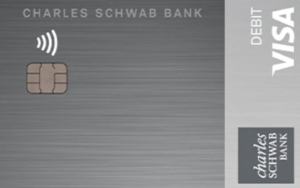
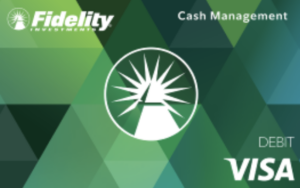
- No ATM Fees and No Foreign Transaction Fees: Both Charles Schwab and Fidelity cards come without any ATM fees and foreign transaction fees. This means you can withdraw cash from any ATM abroad without extra charges on top, which is a major plus for long-term travelers.
- Free ATM Fee Reimbursement: One of the biggest perks is that Charles Schwab and Fidelity both offer free ATM fee reimbursement. If the local ATM charges a fee, they give it back to you. Charles Schwab reimburses the fee at the end of the month, and Fidelity reimburses it a few days after the transaction posts.
- No Maintenance Fees or Minimum Balance: With these cards, there’s no monthly maintenance fee, and you don’t have to maintain a minimum balance. This takes the pressure off, especially when you’re on the go and don’t want to worry about keeping a set amount in your account.
- Simple Lock/Unlock Feature for Security: Both Charles Schwab and Fidelity offer a lock/unlock feature that you can control through their apps. After you use the card, you can lock it immediately through the app, giving you an extra layer of security and peace of mind.
- Reliability Around the World: These cards work in most places, and they use the Visa network which is widely accepted worldwide. I have not had any trouble accessing cash in the countries I visited. That level of reliability really helps keep things simple and stress free.
Why I Recommend Getting Both, Not Just One
It is always better to have two cards from different banks. If one bank has system issues, you still have another card from a completely separate institution. It is also important to have a backup card in case one gets lost, stolen, or flagged for fraud. Replacing a card while traveling is a hassle, and even if the bank agrees to send a new one to your temporary address outside the United States, it can take at least one week to arrive. Having two cards removes that stress and keeps your travels smooth.
How to Apply for the Schwab and Fidelity Cards
Both Schwab and Fidelity require you to have a brokerage account before you can get the debit card, since the card is tied to a linked account rather than being a standalone product (more on that later).
- If you do not already have a taxable brokerage account with either firm, you will need to open one as part of the process.
- Both firms may pull your credit report (soft pull) as part of the application. If you have a security freeze, commonly called a credit freeze, on your credit reports, temporarily lift the freeze before you apply and freeze it again once your application is approved.
For Schwab
- If you already have a taxable brokerage account with Schwab, you can apply to add a Schwab Bank Checking account on its own.
- If you do not have an account yet, you can apply for the taxable brokerage account and the Schwab Bank Checking account together in the same application.
For Fidelity
- If you already have a taxable brokerage account with Fidelity, you can apply to add a Cash Management Account on its own.
- If you do not have an account yet, you can apply for the taxable brokerage account and the Cash Management Account together in the same application.
Which One Should Be Your Primary ATM Card, Schwab or Fidelity?
Honestly, it comes down to personal preference since both cards are excellent and I use them both. But here are a few points that might help you decide which one to lean on as your primary.
Who Actually Issues the Card
- Schwab is a bank. Charles Schwab Bank issues its own debit card directly, so there is no third party involved in the card itself.
- Fidelity is a brokerage. The Fidelity Cash Management debit card is issued by a third-party issuing bank, either PNC Bank or Leader Bank, and the debit card program is administered by BNY Mellon. Fidelity itself is not the issuing bank.
Emergency Card Replacement While Overseas
- Schwab may send a replacement card to you overseas if you lose your card while traveling.
- Fidelity has strict rules about sending a replacement card to an address that is not already on file, which can be a problem if you need one sent to wherever you happen to be.
Zelle Support
- Schwab allows Zelle.
- Fidelity does not support Zelle.
Interest on Your Cash Balance
- Fidelity’s default core position for a brokerage account is SPAXX, a money market fund, so your cash earns a higher interest rate automatically. When you need the cash, you simply transfer it from the brokerage account to the Cash Management Account that your Fidelity Debit Card is linked to.
- Schwab’s default cash sweep account earns a lower interest rate. If you want a better rate, you have to manually move the cash into a money market fund like SWVXX. Moving it back into the sweep account, so you can transfer it to the Schwab checking account that your Schwab Debit Card is linked to, usually takes one business day. That’s an extra step and a delay compared to Fidelity.
Funding the Schwab and Fidelity Cards
You can fund either card with a standard ACH transfer directly from an external bank like Chase, Bank of America, or a local credit union. The money goes straight to your Schwab Bank checking account or your Fidelity Cash Management Account, and it usually takes about 2 business days to arrive.
- Always initiate the transfer as an ACH push from the external funding account, meaning you log into Chase, BoA, or whichever bank holds your money and send the transfer out from there.
- Do not initiate it as an ACH pull from inside Schwab or Fidelity. A pull means you are logging into Schwab or Fidelity and requesting they reach into your external bank account to grab the funds.
- Pulling funds through Schwab or Fidelity can trigger holds or restrictions on newly deposited cash, sometimes limiting what you can trade or withdraw for several days until the transfer fully settles.
- Pushing the transfer from your external bank avoids these holds and gets the cash usable in your Schwab or Fidelity account faster once it lands.
If you want the simplicity of higher interest without lifting a finger, Fidelity has the edge. If you want a straightforward banking relationship with Zelle and easier emergency card replacement overseas, Schwab has the edge. I keep both funded for exactly this reason.
Why I Recommend Using These Cards for Just ATM Cash Withdrawals and Nothing Else
I suggest using these cards only to take out cash from ATMs and NOT for purchases or any other ATM transactions. When you travel, debit cards carry more risk if something goes wrong, like fraud or a compromised machine, so it is safer to keep them only for cash access.
I always lock my debit cards right after I finish withdrawing cash. The bank apps on my phone let me lock and unlock the cards instantly, which gives extra peace of mind.
For everyday spending, I use credit cards whenever possible because they offer better protection and also earn points. I also have a post where I talk about my favorite credit cards for travel if you want to learn more. Click here for more details.
7 Important Tips for Using ATMs Abroad
- Lock and Unlock Your Card Using the Mobile App: Both the Schwab and Fidelity apps let you lock and unlock your debit card instantly. Keep your card locked at all times by default. Right before you use an ATM, unlock it in the app, complete your withdrawal, and lock it again immediately afterward. This only takes a few seconds and significantly reduces your risk if the card is ever skimmed or compromised. Keep in mind that Schwab or Fidelity may send you a two-factor authentication text message to verify it is really you unlocking the card. As long as you have the right phone setup for U.S. citizens living abroad, you will receive these messages without any issue. I cover exactly how to set this up in my post A Good Phone Setup for U.S. Full-Time Travelers on International Trips.
- Always Reject the ATM Conversion Offer: When using ATMs abroad, you might be offered a conversion to your home currency. Always REJECT this and withdraw in the local currency instead. This ensures your bank handles the conversion, usually at a much better rate than the ATM offers. The same idea also applies when using credit cards. Some merchant machines will offer to charge you in your home currency. Always choose the local currency of the country you are visiting. This avoids inflated conversion rates.
- Select “Current” When the ATM Asks for an Account Type: Some ATMs outside the U.S. will ask you to choose an account type before dispensing cash, and the options may include checking, savings, credit card, or current. Always select “Current.” This is the international equivalent of a checking account and is the correct selection for your Schwab or Fidelity debit card.
- Some ATMs Require a 6-Digit PIN: Some international ATMs require a 6-digit PIN instead of the standard 4-digit PIN that Schwab and Fidelity debit cards use. If you run into this, try entering two leading zeros before your 4-digit PIN, like 00XXXX. Many ATMs accept this format and will read the last 4 digits as your actual PIN.
- Be Careful With Contactless Tap ATMs: Some ATMs support contactless tap withdrawals, letting you tap your card instead of inserting it. If you use this option, be very careful to fully exit the transaction after you withdraw the cash and confirm the ATM has ended the session before walking away. If the session does not close properly, the next person in line could potentially continue using it. Personally, I don’t use this option for exactly this reason. I am old school and don’t fully trust the newer ATM contactless technology yet.
- Choose a Safe, Reliable ATM Location: When possible, use an ATM attached to a bank branch during its business hours. That way, if the ATM eats your card or something else goes wrong, you can walk inside and get help right away. If you can’t find a bank-attached ATM, choose a recognizable ATM from a reputable bank inside a mall or an airport, since those locations usually have security cameras and better oversight. Avoid ATMs in touristy areas, since they are more likely to be targeted for skimming or tampering. Also avoid ATMs inside convenience stores, with one exception, ATMs inside 7-Eleven stores in Japan are reliable and widely used even by locals.
- Keep Your ATM Receipt Until the Fee Is Reimbursed: If the ATM charges you a fee, keep the receipt until you see the reimbursement land in your account. Schwab reimburses ATM fees at the end of the month, while Fidelity reimburses within a few days of the transaction posting. If the reimbursement does not show up when expected, contact Schwab or Fidelity directly and be ready to submit the receipt if they ask for it.
If you want to understand the full picture of what U.S. banks and brokerages require to keep your accounts open while you live abroad or travel full time, including the address and phone number rules, I cover all of that in detail in my post How to Keep U.S. Bank Accounts While Living Abroad.